

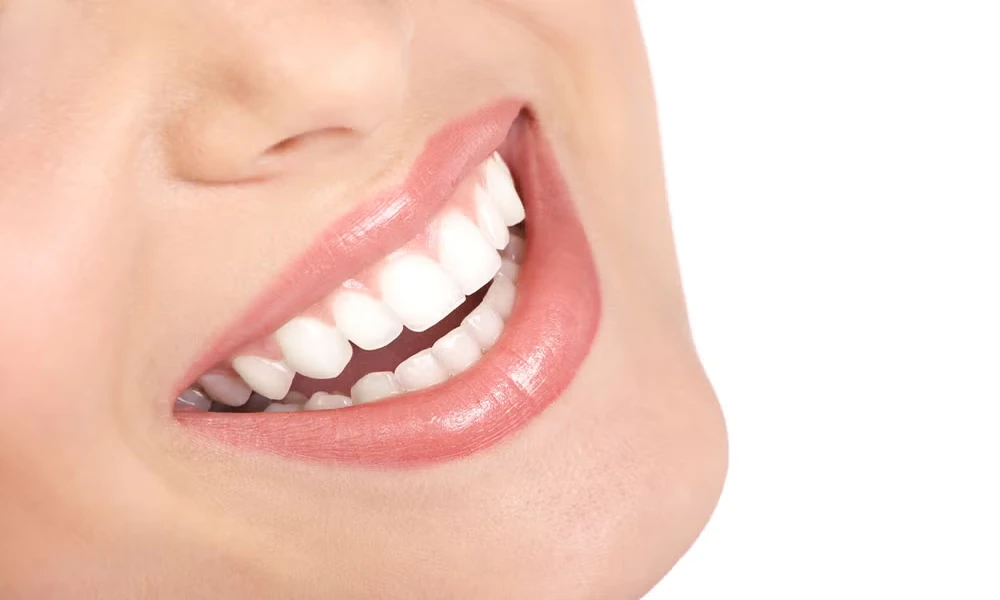
You notice it in small moments first. A child hides a sore tooth because they do not want to miss school. A teenager covers their mouth in photos. An adult keeps putting off a cleaning because life is busy and the cost feels hard to justify. An older parent starts avoiding certain foods because chewing hurts. At a dental office in Lathrup village mi, oral health often slips into the background until it starts shaping how you eat, speak, smile, and carry yourself.
That is where family and cosmetic dental care matters. It is not only about looks, and it is not only about fixing pain. Good care supports comfort, function, and self trust at every stage of life. A family and cosmetic dentist can help protect teeth early, treat problems before they grow, and improve the appearance of your smile when that feels tied to your confidence.
Family and cosmetic dentistry meets different needs at different ages
A child usually needs prevention, simple routines, and a calm place to learn that dental visits are normal. An adult may need fillings, whitening, or help with wear from grinding. An older adult may be dealing with gum disease, dry mouth, missing teeth, or dental work that needs repair. The needs change, but the connection stays the same. When your mouth hurts or your smile feels off, it can affect your mood, your food choices, your social life, and even how willing you are to speak up.
The numbers back that up. The CDC’s overview of oral health explains that oral health is part of overall health, not a separate issue. Cavities, gum disease, and tooth loss can affect daily life in ways that are easy to dismiss until they become constant. A small chip becomes a source of embarrassment. A missed cleaning turns into bleeding gums. A back tooth that only hurts once in a while becomes a root canal.
Cosmetic concerns can feel easy to minimize, especially if you think you should only focus on what is medically necessary. Still, appearance and function often overlap. Straightening crowded teeth can make cleaning easier. Replacing a missing tooth can support chewing and help keep nearby teeth from shifting. Repairing worn or broken enamel can improve both comfort and appearance. Cosmetic and family dental care often works best when it treats the whole picture instead of splitting health and confidence into separate boxes.
Delaying dental care often costs more emotionally and financially
You may already know something needs attention, but delay has its own logic. Maybe your child is nervous. Maybe you had a bad dental visit years ago. Maybe the budget is tight and you are trying to decide what can wait. That is a real strain, and many people live there longer than they want to admit.
The problem is that oral health issues rarely stay still. According to CDC oral health data and statistics, cavities and gum disease remain common across age groups. Small issues tend to become larger, more expensive, and more disruptive when they are ignored. What starts as plaque buildup can move into decay or periodontal problems. A cosmetic concern may also point to an underlying issue such as enamel erosion, bite imbalance, or tooth grinding.
Confidence takes a hit too. If you are always thinking about your breath, the stain on a front tooth, or the gap that seems more obvious every year, that thought follows you into conversations, job interviews, family events, and everyday routines. Children feel it with peers. Teens feel it intensely. Adults often get used to compensating without realizing how much energy it takes.
The National Institutes of Health offers a useful broad view of oral and dental health, including how daily habits, medical conditions, and age related changes all play a role. That matters because treatment is rarely one size fits all. The right plan for a six year old is not the right plan for a forty year old with sensitivity, and neither matches the needs of someone managing dentures or gum recession.
Professional dental care gives clearer long term value than waiting or self treating
| Situation | Common Short Term Choice | Likely Result | Professional Approach |
|---|---|---|---|
| Child with early cavities | Wait for pain or avoid visits due to fear | Decay grows, treatment becomes more involved | Regular exams, fluoride, early fillings if needed |
| Teen with stained or uneven teeth | Overuse whitening products bought in stores | Sensitivity, uneven results, frustration | Safe cosmetic guidance based on enamel and age |
| Adult with chipped tooth or missing tooth | Ignore it if chewing still feels possible | More wear, shifting teeth, lower confidence | Bonding, crowns, or replacement options |
| Older adult with sore gums or loose dental work | Eat softer foods and put off care | Nutrition changes, pain, worsening oral disease | Gum treatment, repairs, fit checks, prevention plan |
Dental care for all ages works best when prevention and appearance are not treated as opposites. Cleanings, exams, sealants, fillings, whitening, bonding, crowns, and tooth replacement can all support the same goal, which is helping you feel comfortable using your smile without pain or self consciousness.
Small steps make family and cosmetic dentistry easier to manage
1. Book based on the problem you already notice. Do not wait until every issue feels urgent. If the problem is staining, sensitivity, bleeding gums, crowding, or a child who avoids one side of the mouth, start there. A focused first visit feels more manageable than trying to solve everything at once.
2. Ask for a phased treatment plan. If cost or anxiety is stopping you, ask what needs attention now, what can wait, and which cosmetic options also improve function. That helps you make decisions without feeling cornered. Many people move forward once the plan feels clear and realistic.
3. Build one routine the whole household can keep. Consistent brushing with fluoride toothpaste, daily flossing, water instead of frequent sugary drinks, and regular checkups do more than most people think. Children copy what they see, and adults do better with routines that fit real life instead of perfect intentions.
Confidence grows when your smile feels healthy and cared for
You do not need a perfect smile to feel better. You need a smile that feels clean, comfortable, and supported. That may mean prevention for your child, repairs for yourself, or cosmetic updates that help you stop thinking about your teeth every time you laugh. Family and cosmetic dentistry supports that kind of confidence because it meets people where they are, not where they think they should be.
If you have been putting off care, now is a good time to take the first step and schedule a visit for the concerns already on your mind.
