

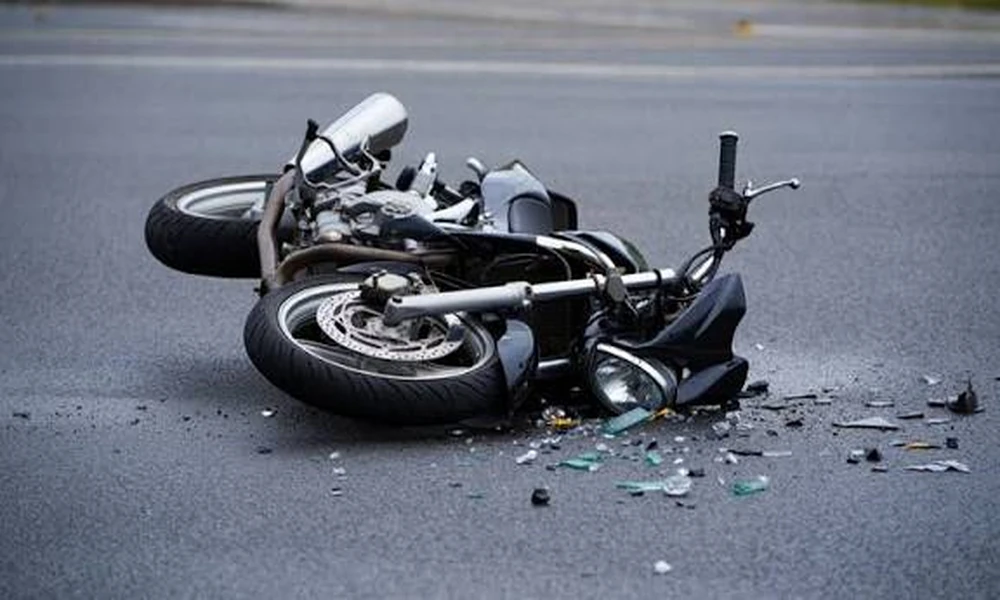
Your claim folder lands on an adjuster’s desk with a score attached before anyone reads a word. That score comes from a three-digit number and a handful of checkbox codes, and motorcycle files almost always land in the expensive bucket. Riders get hurt worse, their gear hides injuries, and witness accounts get muddier at speed. Knowing how that first pass works changes what you collect in the days after a crash.
Plenty of riders assume a police report settles everything. It doesn’t. The report is one input in a claims model that weighs injury severity, liability clarity, and how well the file tells a story. If the story is thin, the reserve comes in low and stays low. That’s a big reason experienced riders bring in motorcycle crash attorneys early, before recorded statements get locked in and gear gets thrown out.
Here’s what you’ll get below: the specific ways bike claims get read differently than car claims, a day-by-day evidence checklist you can run yourself, and a few honest calls about when self-representation stops working.
What makes a bike claim harder to price?
Adjusters don’t fear motorcycles. They fear uncertainty, and bike crashes stack uncertainty higher than almost any other collision type. Consider what a claims model sees when it opens your file.
- Injury severity skews high. The National Highway Traffic Safety Administration has documented for years that motorcyclists die in crashes at a rate far higher than passenger car occupants per mile traveled. That single baseline raises every reserve.
- Liability gets contested more often. Lane position, speed, and visibility all get argued. A left-turning driver rarely admits they never saw you.
- Property damage is a weak signal. A wrecked fairing costs less than a dented bumper, so the model undersells your impact and, by extension, your injuries.
- Gear obscures the evidence. Full leathers and a full-face helmet do their job, which often means no visible injury at the scene and a fight later.
The last point is the one that burns riders most. You did the smart thing. You wore the armor. Now the other carrier points at you standing upright at the roadside and argues the impact was minor. My advice: photograph the helmet, the jacket, and every scuff on them before you take anything off. That gear is evidence, and it’s the first thing adjusters try to discount.
The first pass happens in the first 72 hours
Adjusters triage fast. Within a few days, someone decides whether your file is an early settlement, a fight, or a reserve-and-wait. What you do during that window shapes which bucket you land in, and it’s the one thing in the whole process you fully control.
Start with the police report and make sure the narrative matches what actually happened. If the officer wrote that you “laid the bike down,” that phrasing leaks into every later analysis because it sounds voluntary. Call the department and ask about a supplement if the language mischaracterizes the crash. It’s a small correction with outsized weight.
Then build what I call a ride file: a single folder holding scene photos from every angle, witness names and numbers, your gear photos, receipts for the bike and any aftermarket parts, and a plain written timeline you type out within a day while it’s fresh. The timeline matters more than people realize. Memory decays fast after a crash, and a same-week account beats a reconstructed one six months out.
What the adjuster actually asks about you
Two questions dominate the early review, and neither is about the crash itself. First, how organized is this person? Second, do they know what their claim is worth? A rider who shows up with a labeled folder and a clean timeline gets treated noticeably differently than one who calls three times asking what to do next. I’ve watched that gap decide settlements more than once. Adjusters work hundreds of files and they gravitate toward the ones that are easy to price.
Where industry data quietly shapes your reserve
Claims pricing runs on loss trends, and the trends for motorcycles are not flattering. The Insurance Information Institute tracks highway loss data across vehicle classes, and motorcycles consistently rank among the costliest categories for injury claims. That’s not a bias against riders, it’s a statistical prior, and it enters your file whether or not anyone says so out loud.
You can’t argue with a prior directly. You can out-frame it. A rider with documented gear, clean medical records started within a day or two, and a clear liability story gives the adjuster a reason to depart from the average. That’s the whole game: move your file from the category average to a specific, well-evidenced claim.
Run this evidence checklist the week after the crash
This is the practical part. Work through it in order and don’t skip the unglamorous items.
- Get medical attention within 24 hours. Adrenaline masks a lot. A same-week record ties your injuries to the crash, and gaps in treatment get used against you constantly.
- Photograph everything untouched. Scene, road conditions, vehicle positions, your gear, and your body. Timestamp it all.
- Collect witness contacts yourself. Don’t assume the officer got them. Witnesses drift, numbers get lost, and a rider with a name and a phone number holds leverage.
- Save receipts and estimate every damaged item. Helmet, jacket, boots, gloves, phone, and aftermarket parts all count, and they add up faster than you think.
- Log every call. Time, name, what was said. Insurance conversations become disputed later, and your notes are your memory.
- Don’t give a recorded statement to the other carrier before you’ve talked to someone who knows how those are used. Polite and brief is fine. Detailed and recorded is not.
The Georgia Governor’s Office of Highway Safety has published rider-focused material for years, and its central point lands: a large share of serious bike crashes involve another driver failing to see the rider, not rider error. That framing matters when you’re building your liability story, so lean on it.
When self-representation stops working
Small property damage claims with clean liability? Handle it. I mean that. The math doesn’t justify handing over a third of a modest settlement, and you can negotiate a total-loss offer yourself.
But an injury claim with disputed fault is a different animal. Once there’s a helmet in the corner of the room, an adjuster who’s questioning speed, or a hospital bill climbing toward five figures, the file is being priced by people who do this daily against a rider who’s doing it once. That’s the moment to get seasoned eyes on the file, because recorded statements and signed releases close doors that only reopen with real difficulty.
The bottom line for riders
Motorcycle claims get read differently because the data makes them look risky and the evidence often arrives late. That’s the problem, and it’s solvable. Get medical care fast, preserve your gear, build a clean ride file in the first 72 hours, and stay polite but brief with anyone recording your words. Do those four things and you’ve moved yourself from a category average to a specific claim, which is exactly the shift that pays.
One question worth sitting with: if your crash happened tomorrow, would your folder be ready by Friday?
