

Sixty dollars. That’s what one Austin fabricator spent in gas last spring driving between three yards because his steel sheet order came in six inches short. You can skip that entire afternoon with a spec sheet.
Most people who buy metals for the first time walk in with a rough idea and walk out with a receipt they regret. Here’s the fix. You write down what the job needs before you leave the house, you learn the difference between the four big product families, and you pick a supplier who answers a phone. That’s basically the whole game, and the rest of this guide fills it in.
When you sort through metal products and supplies in Austin, a short spec sheet beats a long conversation every time. I’d argue that single habit saves more money than any haggling you’ll ever do.
Start With the Four Product Families
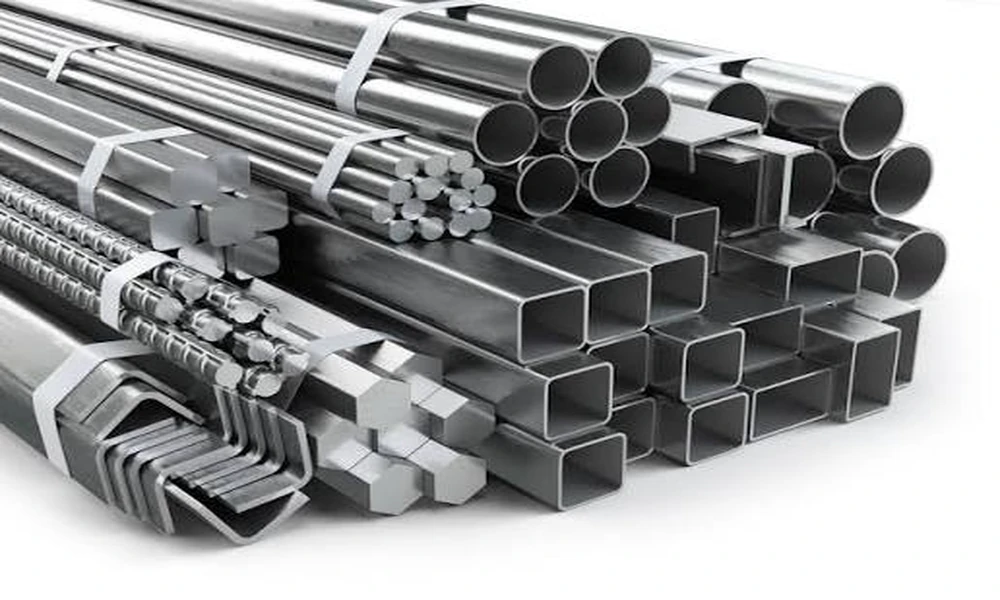
Metal suppliers stock a lot, but almost everything you’ll want falls into four buckets. Knowing which bucket your project lives in keeps you from overbuying.
- Sheet and plate: flat stock in mild steel, aluminum, and stainless. The backbone of brackets, panels, and weldments.
- Structural shapes: angle, channel, tube, and pipe for frames, rails, and shop furniture.
- Bar and rod: solid round, square, and flat bar for machining, pins, and tooling.
- Hardware and supplies: bolts, welding wire, cutting discs, grinding wheels, and the small stuff that stalls a job when nobody bought it.
The Spec Sheet Habit
Write five things before you contact anyone: alloy, form, dimensions with a tolerance, quantity, and finish. For example, 6061 aluminum plate, 1/4 inch, 12 by 24 inches, two pieces, mill finish. That sentence gets you a quote in one exchange instead of four.
If a spec feels like homework, borrow a standard instead of inventing one. The National Institute of Standards and Technology maintains the reference material that keeps American weights and measures consistent, and those baselines are where material tolerances and test data ultimately trace back to. Lean on them when a drawing calls for a spec you don’t recognize.
Bring a cut list, not a material name. Suppliers cut to length, and a clean list tells them exactly how to slice your stock without waste you pay for.
The Three-Quote Rule, Honestly Explained
Get three quotes, but compare them on the right axis. Price per pound is a starting point. What actually matters is the price for the piece you’ll hold in your hand.
| What to compare | Why it moves your total |
|---|---|
| Price per cut piece | Cut charges swing totals more than base material rate |
| Cut accuracy | A short piece means a reorder and a second trip |
| Remnant availability | Offcut stock can cover small jobs for far less |
| Pickup or delivery | Freight on heavy stock dwarfs small price gaps |
Here’s a concrete way to use that table. If you need four aluminum plates the size of a laptop, call about remnants first. Yards keep offcuts that fit jobs like yours, and they sell them for a fraction of the price of a fresh sheet. I’d take a slightly scuffed remnant for a shop cart every time.
Heavy stock is the other trap. A six-foot length of channel weighs more than you think, and loading it into a hatchback is how people ruin upholstery. Ask about delivery before you decide where to buy.
Why Austin Buyers Have Extra Choices
Austin’s mix of manufacturing and construction keeps local yards stocked across more categories than a smaller market would carry. The General Services Administration publishes commercial standards that reach far beyond government purchasing, which is why the specs on bolts and fasteners you buy from a neighborhood supplier often match what federal buyers require. You benefit from that overlap whether you’re building one cart or fifty.
Reading a Supplier in Five Minutes
You can tell a good yard from a frustrating one fast. Watch how they handle these three questions.
- Can they quote a specific cut piece, not just a per-pound rate?
- Do they ask what the material is for?
- Will they tell you about a cheaper remnant when one exists?
A supplier who nails all three is worth the extra fifteen minutes of drive time. A supplier who guesses on your alloy will cost you a return trip, and those return trips add up.
A Quick Sourcing Scenario
Say you’re building a welding table and you’ve budgeted one Saturday. You need angle iron, plate for the top, casters, and bolts. Skip the single-stop shopping instinct.
Call ahead and confirm angles are in stock in the length you want. Ask about remnant plate for the top, since a table top doesn’t need mill finish. Buy hardware and fasteners from the same yard so a missing size doesn’t end your day, and check the cut list one more time before you hand it over.
That one call saves most of a morning, and if it holds together, you’ll never skip it again.
Where Quality Shows Up Later
Look closer at the job than a weekend build demands, because most buyers eventually build something that has to survive real conditions. Metal for an outdoor fixture has to hold up to sun and temperature swings over years. The National Aeronautics and Space Administration runs public research on how materials respond to temperature extremes, and that work explains why the same alloy can behave very differently outdoors. Put simply, match the material to its environment, not just to your budget.
Your Five-Item Prep Checklist
Before you walk into any yard, have these ready. The alloy and temper. The dimensions with tolerance. The quantity. The finish. The deadline. Five items, written down, takes about four minutes. It saves you the sixty-dollar detour and the apology to whoever’s waiting on the part.
One More Thing About Price
New buyers fixate on the per-pound number. Experienced buyers look at the cut charge, the remnant option, and the delivery fee, because that’s where the hundreds live. Keep those three in view and your quotes start making sense.
The Bottom Line
Buying metal shouldn’t feel like a scavenger hunt. Write the spec, pick your products by family, compare cut prices rather than base rates, and choose a supplier who asks questions. Do that and the scrapped Saturday becomes a memory.
What’s your next stock order actually going to build? Grab a notebook, write the five lines, and make one phone call before lunch.
